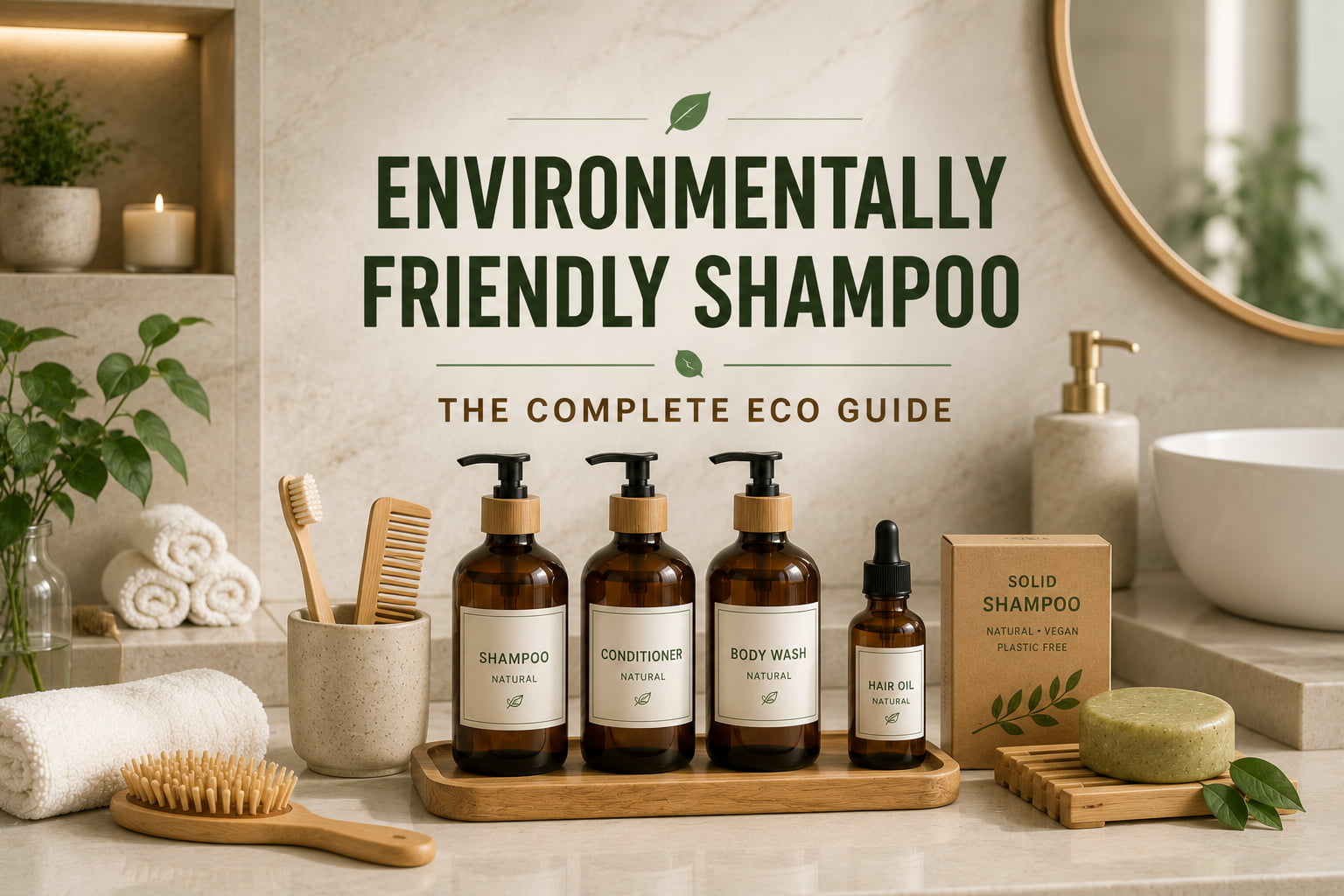
Choosing an environmentally friendly shampoo is one of the easiest ways to reduce plastic waste while creating a healthier hair care routine. Every year, millions of plastic shampoo bottles end up in landfills and oceans, contributing to pollution that harms wildlife and ecosystems.
The good news is that sustainable hair care has become more accessible than ever. From plastic-free shampoo bars to refillable bottles and biodegradable ingredients, there are now plenty of eco-friendly alternatives that clean your hair without damaging the environment.
Whether you’re trying to reduce your household waste, avoid harsh chemicals, or support sustainable brands, switching to an environmentally friendly shampoo is a simple change that can make a lasting impact. In this guide, you’ll learn how to choose the right product, understand eco-friendly ingredients, and discover practical tips for building a greener hair care routine.
Table of Contents
Why Choose an Environmentally Friendly Shampoo?
Traditional shampoos are often packaged in single-use plastic bottles and contain ingredients that may negatively impact both your hair and the environment. By switching to an environmentally friendly shampoo, you reduce plastic waste while supporting products made with sustainable ingredients and responsible manufacturing practices.
An eco-friendly shampoo is designed to clean your hair effectively without relying on harsh chemicals or excessive plastic packaging. Many brands also prioritize cruelty-free testing, biodegradable formulas, and recyclable materials.
Quick Benefits
- Reduces plastic waste
- Supports sustainable brands
- Uses biodegradable ingredients
- Gentle on hair and scalp
- Helps lower your environmental footprint
The Environmental Impact of Traditional Shampoo
Most people use several shampoo bottles every year. While one bottle may seem insignificant, billions are sold globally, creating an enormous amount of plastic waste.
Plastic Packaging
Most shampoo bottles are made from plastic that may never be recycled. Many eventually end up in landfills, waterways, or oceans, where they break down into harmful microplastics.
These tiny plastic particles can remain in the environment for hundreds of years and affect marine life and ecosystems.
Chemical Pollution
Many conventional shampoos contain synthetic chemicals that are washed down household drains after every shower. Wastewater treatment plants cannot always remove every ingredient, allowing some chemicals to enter rivers and oceans.
This pollution can negatively affect aquatic ecosystems over time.
Carbon Footprint
Liquid shampoos are mostly water, making them heavier to transport than solid shampoo bars.
Transporting heavier products requires more fuel, increasing greenhouse gas emissions throughout the supply chain.
Choosing concentrated or waterless products helps reduce transportation emissions and packaging waste.
Benefits of Using Environmentally Friendly Shampoo
Making the switch offers advantages for both your personal health and the environment.
Better for Your Hair
Eco-friendly shampoos often contain nourishing botanical ingredients instead of harsh detergents.
Common natural ingredients include:
- Aloe Vera
- Coconut Oil
- Argan Oil
- Shea Butter
- Tea Tree Oil
- Rosemary Extract
These ingredients gently cleanse the scalp while helping maintain natural moisture.
Reduces Plastic Waste
Plastic-free shampoo bars and refillable bottles significantly reduce the number of single-use containers entering landfills each year.
Even replacing just a few bottles annually can make a noticeable environmental difference.
Supports Sustainable Companies
Many environmentally conscious brands prioritize ethical sourcing, renewable ingredients, cruelty-free testing, and environmentally responsible packaging.
Supporting these companies encourages more sustainable business practices across the beauty industry.
Saves Money Over Time
Although some eco-friendly products may cost slightly more upfront, many last longer than traditional liquid shampoos because they are more concentrated.
A single shampoo bar can often replace two or three bottles of liquid shampoo.
Ingredients to Look For
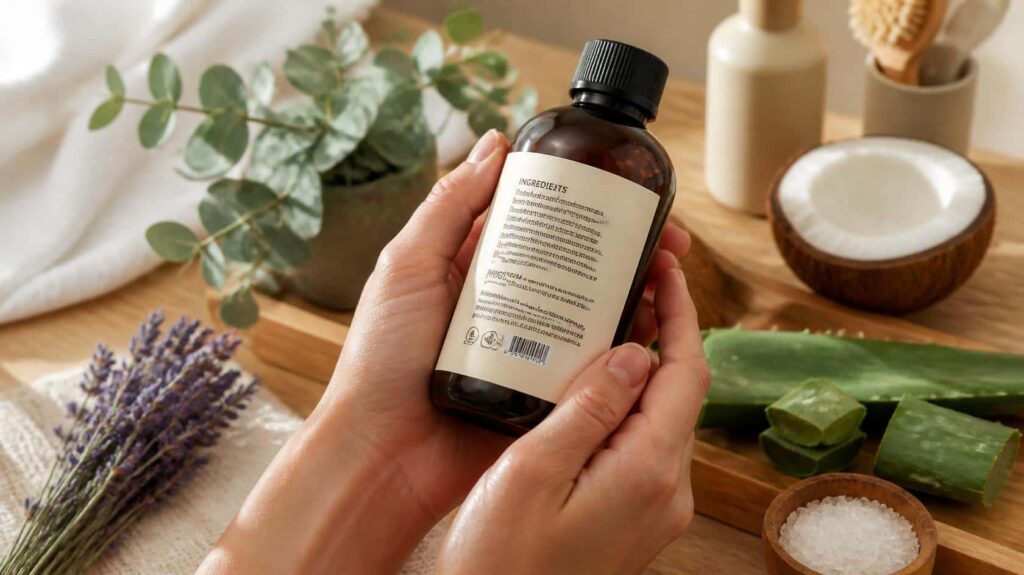
When shopping for an environmentally friendly shampoo, look for products made with naturally derived ingredients that nourish your hair while minimizing environmental impact.
Some excellent ingredients include:
- Aloe Vera
- Coconut Oil
- Argan Oil
- Shea Butter
- Jojoba Oil
- Oat Protein
- Rosemary Oil
- Lavender Essential Oil
- Chamomile Extract
- Green Tea Extract
These ingredients help moisturize, strengthen, and protect your hair naturally.
Ingredients to Avoid
Not all shampoos marketed as “natural” are truly eco-friendly.
Whenever possible, avoid products containing:
- Sulfates (SLS and SLES)
- Parabens
- Phthalates
- Artificial dyes
- Synthetic fragrances
- Silicones
- Microplastics
Choosing cleaner formulas helps reduce unnecessary chemical exposure while protecting aquatic ecosystems.
5 Best Environmentally Friendly Shampoo Options
Switching to an environmentally friendly shampoo doesn’t mean compromising on clean, healthy hair. Today, many brands offer sustainable formulas that are just as effective as traditional shampoos while using eco-friendly ingredients and packaging.
Here are some of the best alternatives to consider.
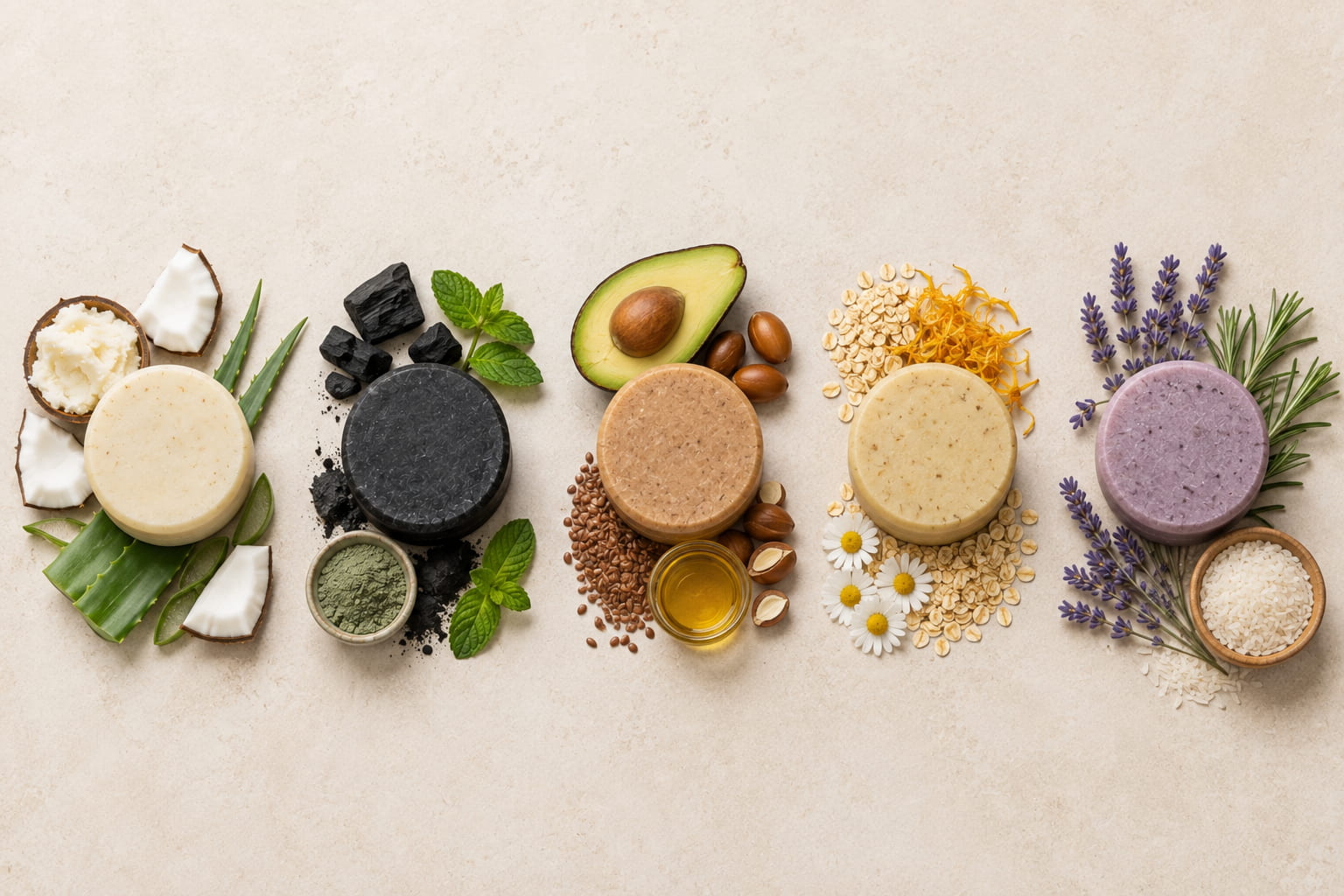
1. Shampoo Bars
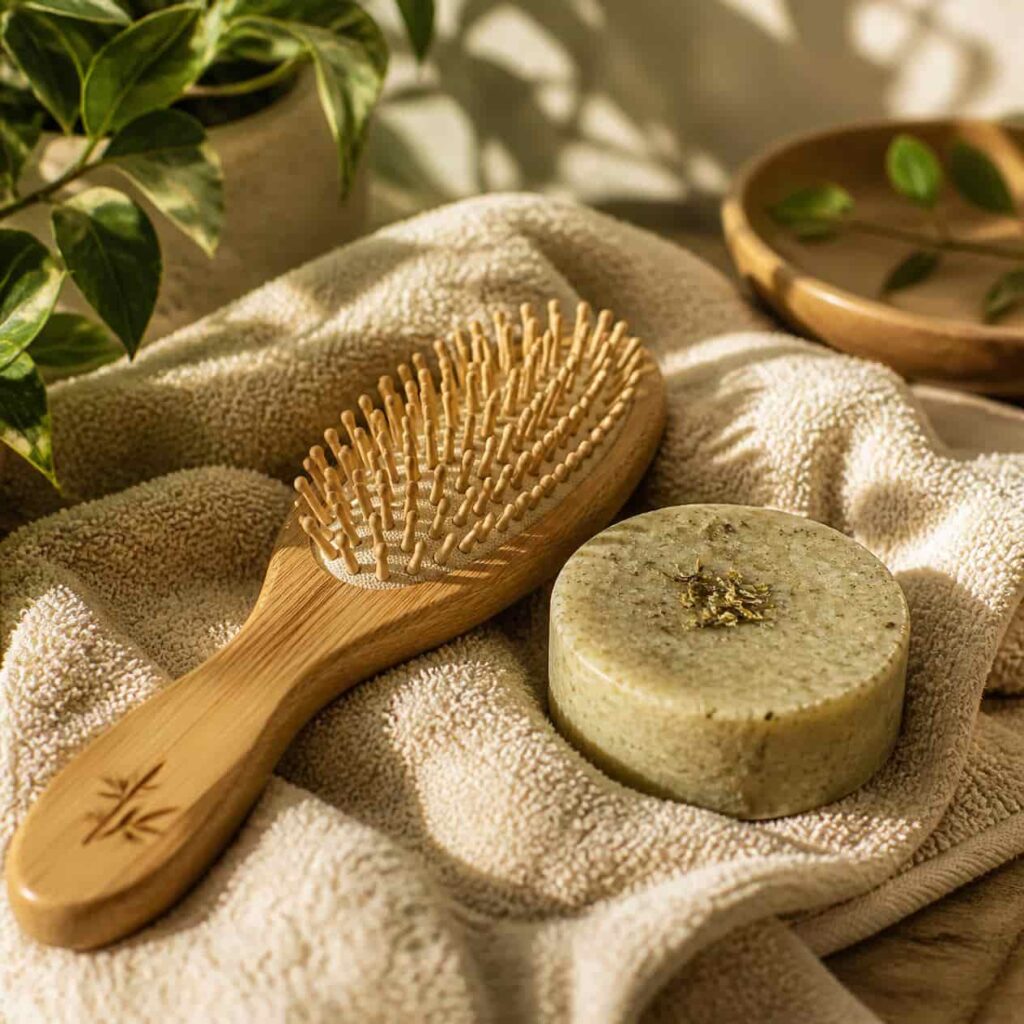
Shampoo bars are one of the easiest ways to eliminate plastic bottles from your shower. Because they contain little to no water, they are highly concentrated and last much longer than liquid shampoos.
Benefits
- Plastic-free packaging
- Travel-friendly
- Long-lasting
- Less carbon footprint
- Minimal ingredients
2. Refillable Shampoo Bottles
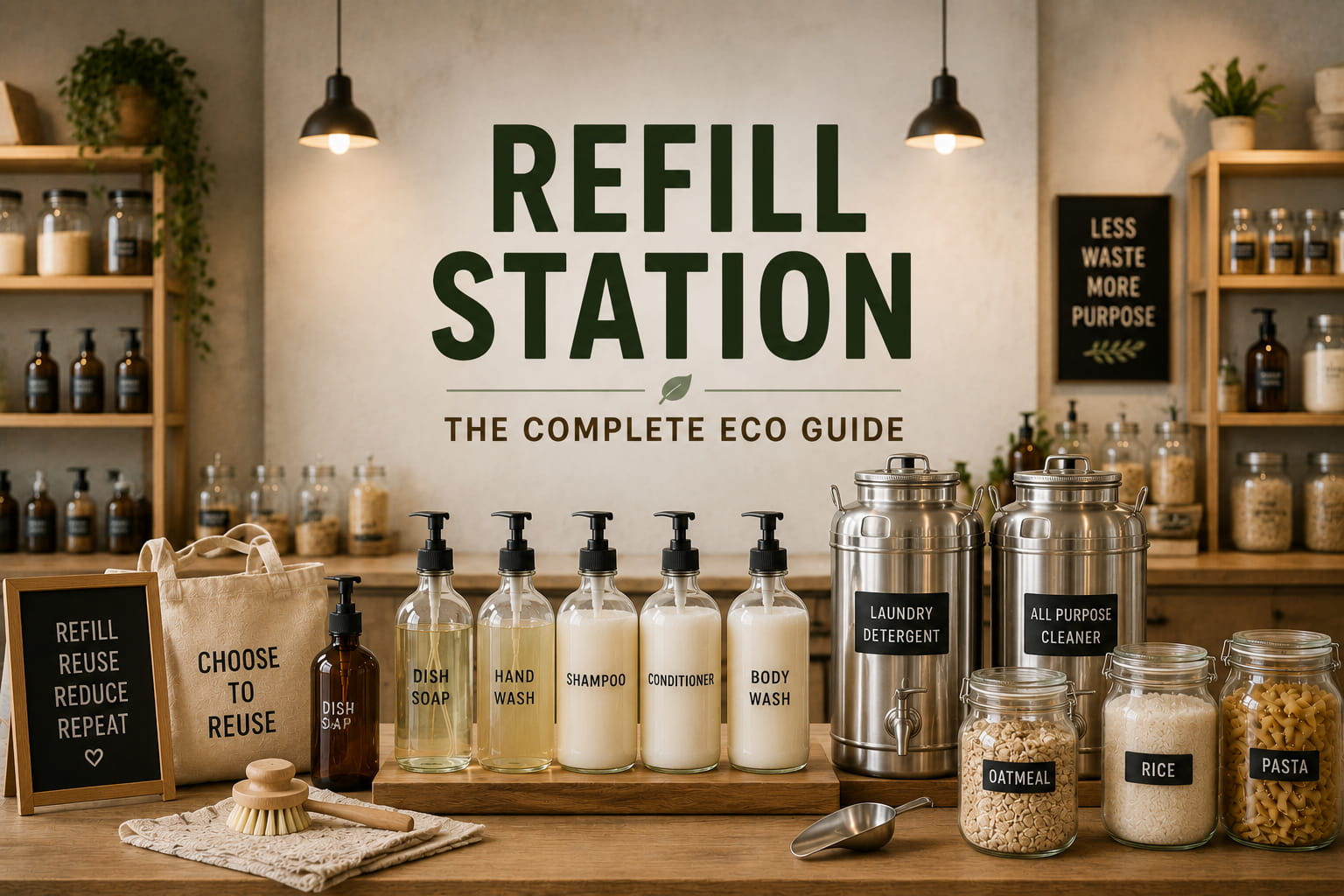
Many eco-conscious companies now offer refill stations or refill pouches that reduce plastic waste significantly.
Instead of buying a new bottle every time, simply refill your existing container.
Benefits
- Less packaging waste
- Saves money over time
- Reduces landfill waste
3. Organic Herbal Shampoo
Organic shampoos use naturally derived ingredients instead of harsh synthetic chemicals.
Common ingredients include:
- Aloe Vera
- Argan Oil
- Coconut Oil
- Tea Tree Oil
- Rosemary
- Chamomile
These ingredients gently cleanse hair while nourishing the scalp.
4. Sulfate-Free Shampoo
Sulfates create heavy foam but can strip your hair of its natural oils.
Choosing a sulfate-free environmentally friendly shampoo helps maintain moisture while reducing irritation for sensitive scalps.
Best For
- Curly hair
- Color-treated hair
- Dry hair
- Sensitive skin
5. Vegan Shampoo
Vegan shampoos contain no animal-derived ingredients and are often cruelty-free.
Many sustainable beauty brands combine vegan formulas with recyclable or refillable packaging.
Benefits
- Cruelty-free
- Plant-based ingredients
- Environmentally responsible manufacturing
How to Choose an Environmentally Friendly Shampoo
Not every product labeled “natural” or “green” is truly sustainable. Learning what to look for helps you make smarter purchasing decisions.
Check the Ingredient List
Look for nourishing natural ingredients while avoiding unnecessary synthetic additives.
Choose products with:
- Coconut-derived cleansers
- Aloe Vera
- Shea Butter
- Essential Oils
- Plant Extracts
Avoid products containing:
- Sulfates
- Parabens
- Phthalates
- Microplastics
- Artificial dyes
Choosing a greener shampoo is only one part of building a more sustainable routine. You can also explore our guide to eco-friendly hair care for practical ways to reduce waste and make everyday hair-care choices more sustainable.
Choose Sustainable Packaging
Packaging plays an important role in reducing environmental impact.
Look for:
- Aluminum bottles
- Glass bottles
- Cardboard packaging
- Compostable wrappers
- Refillable containers
Look for Trusted Certifications
Certifications provide confidence that a product meets environmental and ethical standards.
Some common certifications include:
- USDA Organic
- Leaping Bunny Certified
- Cruelty-Free
- FSC Certified Packaging
- B Corporation
If you’re considering switching from bottled shampoo to a more sustainable alternative, our guide on how to choose the best eco-friendly shampoo bars for your hair type explains how to select the right shampoo bar for your hair needs, ingredients, and storage tips.
Benefits of Using Environmentally Friendly Shampoo
Making the switch offers advantages beyond reducing plastic waste.
Better for Your Hair
Natural ingredients help nourish your scalp without stripping away healthy oils.
Better for the Planet
Plastic-free packaging and biodegradable ingredients help reduce pollution and conserve natural resources.
Supports Ethical Brands
Many sustainable companies focus on fair trade practices, cruelty-free testing, and responsible sourcing.
Reduces Plastic Waste
Switching from bottled shampoo to refillable containers or shampoo bars significantly reduces household plastic consumption.
Common Mistakes to Avoid
Many people make small mistakes when transitioning to sustainable hair care.
Avoid these common problems.
Throwing Away Current Products
Finish your existing shampoo before switching.
The most sustainable product is often the one you already own.
Buying Based Only on Marketing
Words like “natural” or “eco-friendly” don’t always mean the product is environmentally responsible.
Always read the ingredient list and packaging details.
Ignoring Hair Type
Different hair types require different shampoo formulas.
Choose products specifically designed for:
- Oily hair
- Dry hair
- Curly hair
- Fine hair
- Color-treated hair
Not Storing Shampoo Bars Properly
Allow shampoo bars to dry completely between uses by placing them on a draining soap dish.
This helps them last much longer.
Simple Tips for a More Sustainable Hair Care Routine
Your shampoo is only one part of an eco-friendly bathroom.
Consider these additional habits:
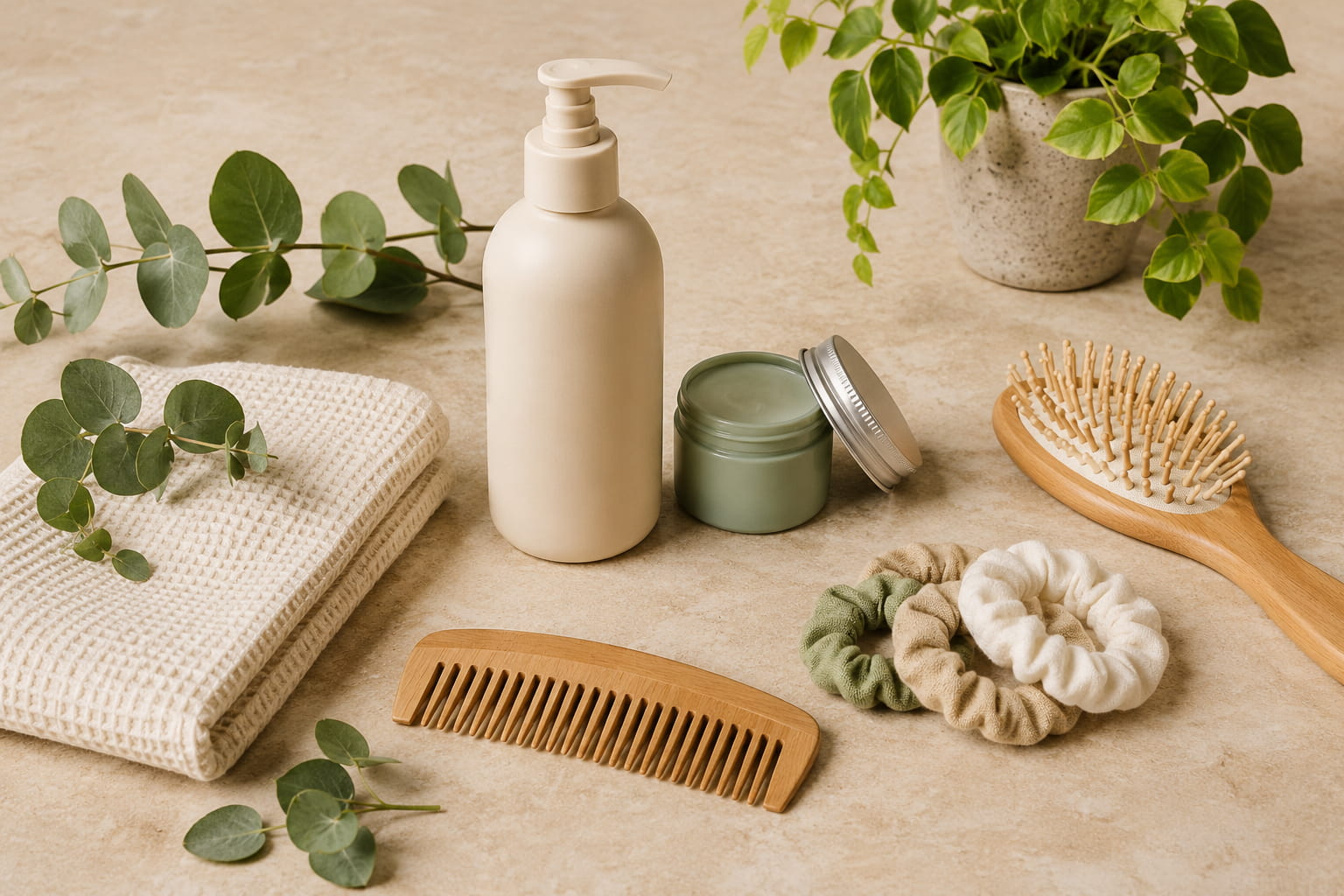
- Use a bamboo hairbrush.
- Wash hair only when necessary.
- Turn off the shower while applying shampoo.
- Recycle empty containers.
- Buy larger refill packs when available.
- Support brands with sustainable packaging.
- Choose reusable travel containers instead of disposable minis.
Small changes in your daily routine can make a meaningful difference over time.
Frequently Asked Questions
An environmentally friendly shampoo is made with biodegradable ingredients and packaged in sustainable materials such as recyclable aluminum, glass, cardboard, or refillable containers. These shampoos help reduce plastic waste while being gentler on your hair and the environment.
Shampoo bars can be a more sustainable option because they usually contain concentrated formulas, require less packaging, and often last longer than bottled shampoos. Many people also find them convenient for travel since they are spill-proof.
Yes. Eco-friendly shampoos are available for a variety of hair types, including oily, dry, curly, fine, color-treated, and sensitive scalps. Choose a formula designed for your specific hair care needs.
You can reduce waste by switching to shampoo bars, buying refillable shampoo bottles, using reusable containers for travel, and choosing products packaged in recyclable or compostable materials.
Some sustainable shampoos have a higher upfront price, but many last longer than traditional shampoos because they are concentrated. Over time, they can provide excellent value while reducing waste.
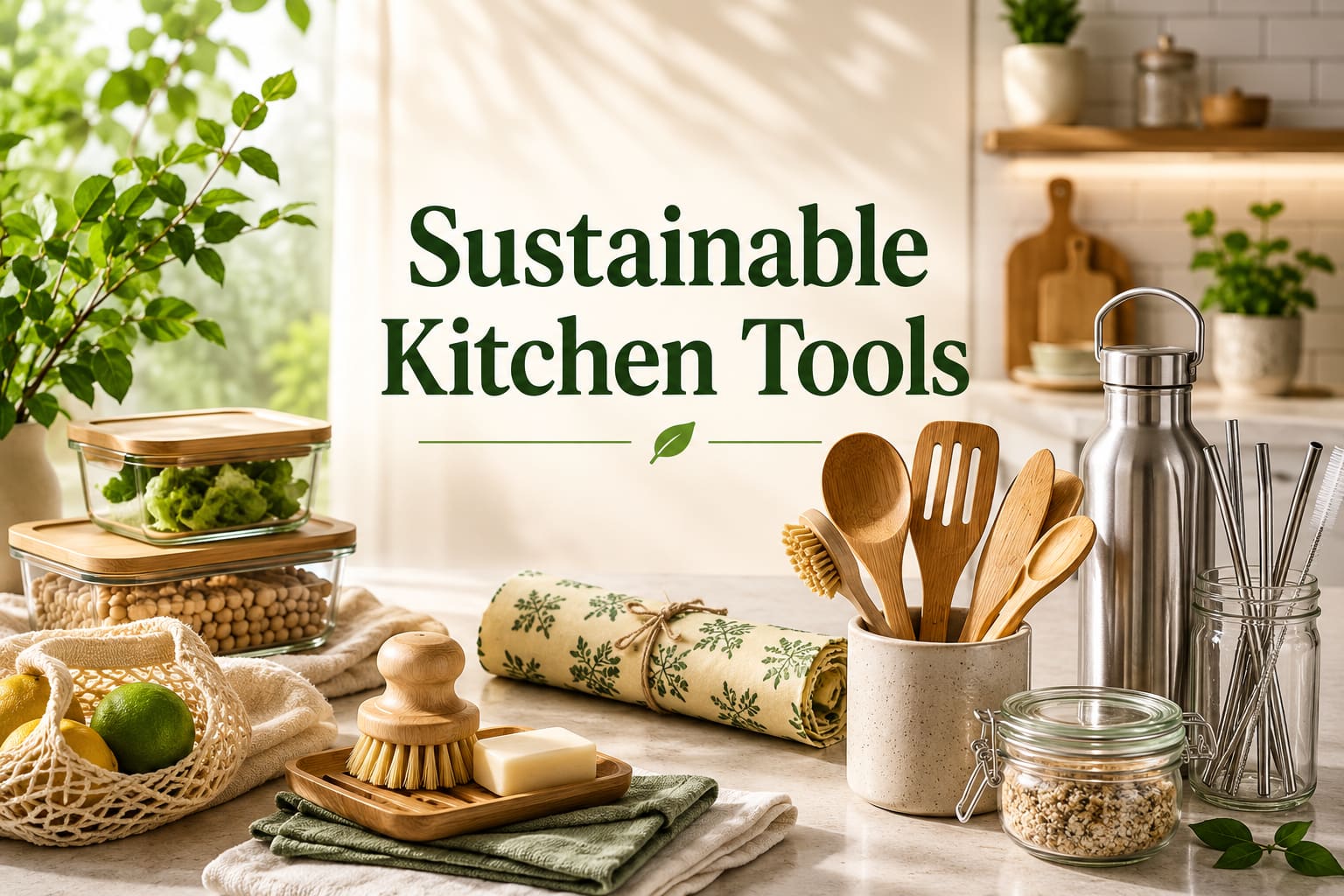
Before you finish building your eco-friendly bathroom routine, consider making sustainable changes in your kitchen too. Our guide on 15 Best Sustainable Kitchen Tools for a Zero-Waste Home shares practical swaps that help reduce everyday plastic waste and support a greener lifestyle.

Conclusion
Switching to an environmentally friendly shampoo is one of the simplest ways to reduce plastic waste without sacrificing healthy, beautiful hair. Small changes—such as choosing shampoo bars, refillable bottles, or biodegradable formulas—can significantly reduce your environmental impact over time.
Remember, building a sustainable lifestyle doesn’t happen overnight. Start by replacing one product when it runs out, then continue making mindful choices as you go. Every eco-friendly swap contributes to a cleaner planet and encourages more sustainable practices within the beauty industry.
If you’re beginning your zero-waste journey, start with your shampoo today and inspire your family and friends to make greener choices too.